
Last updated November 2, 2026
 Wrought iron
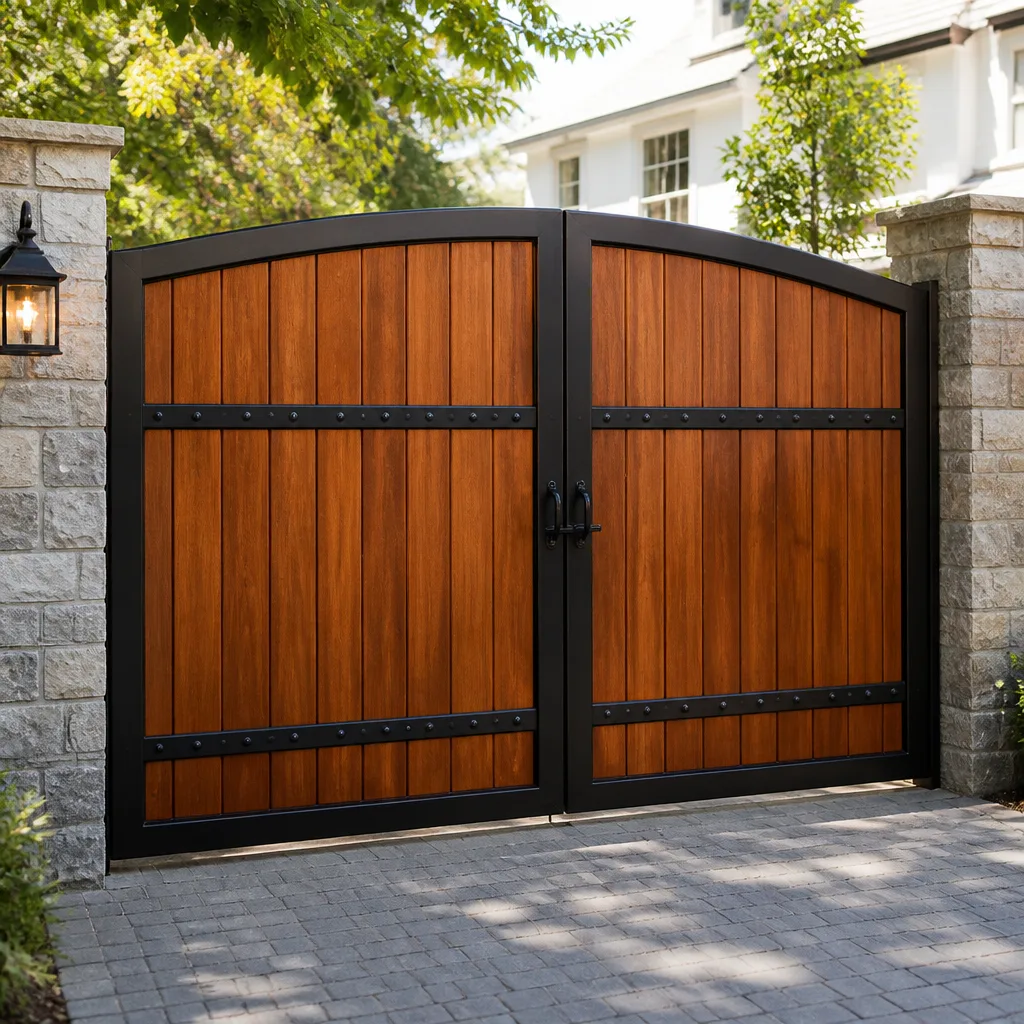 Wood & steel frame
 Farm & ranch
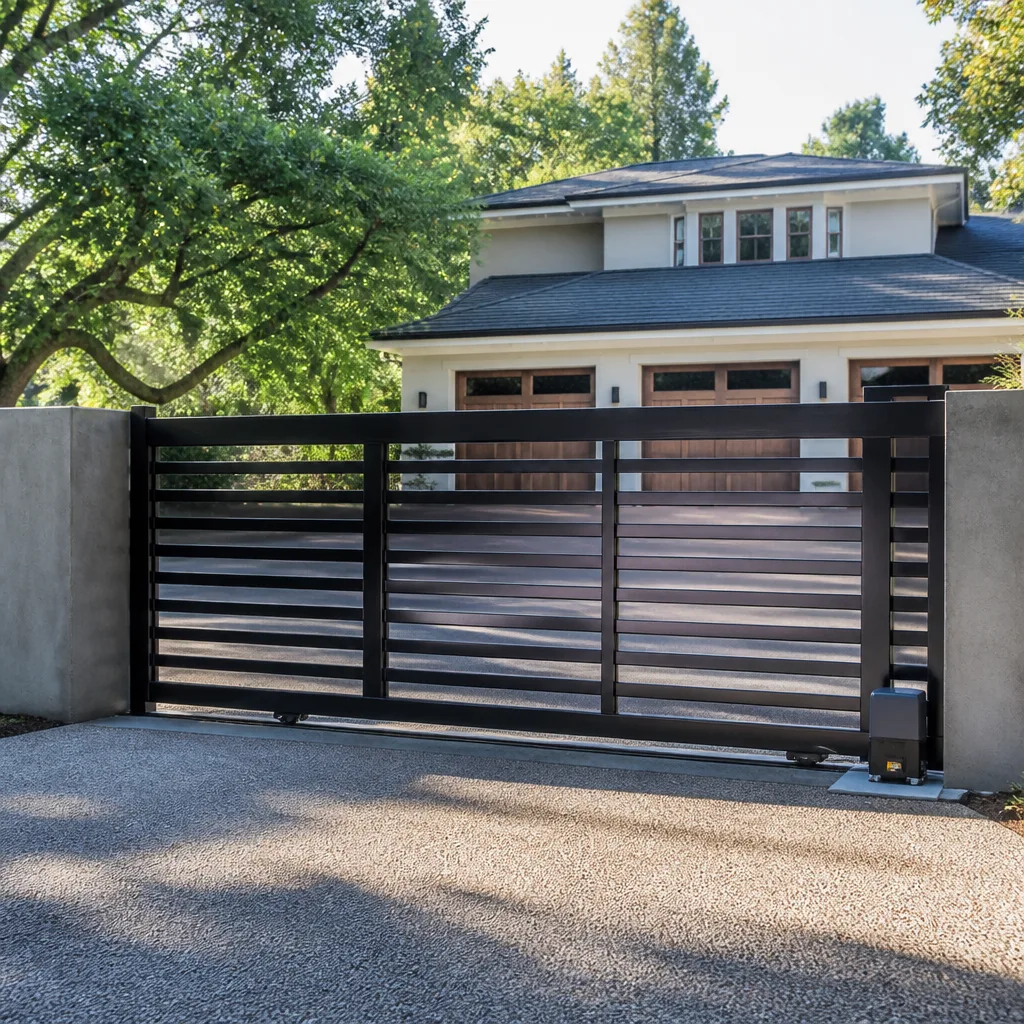 Sliding driveway gates
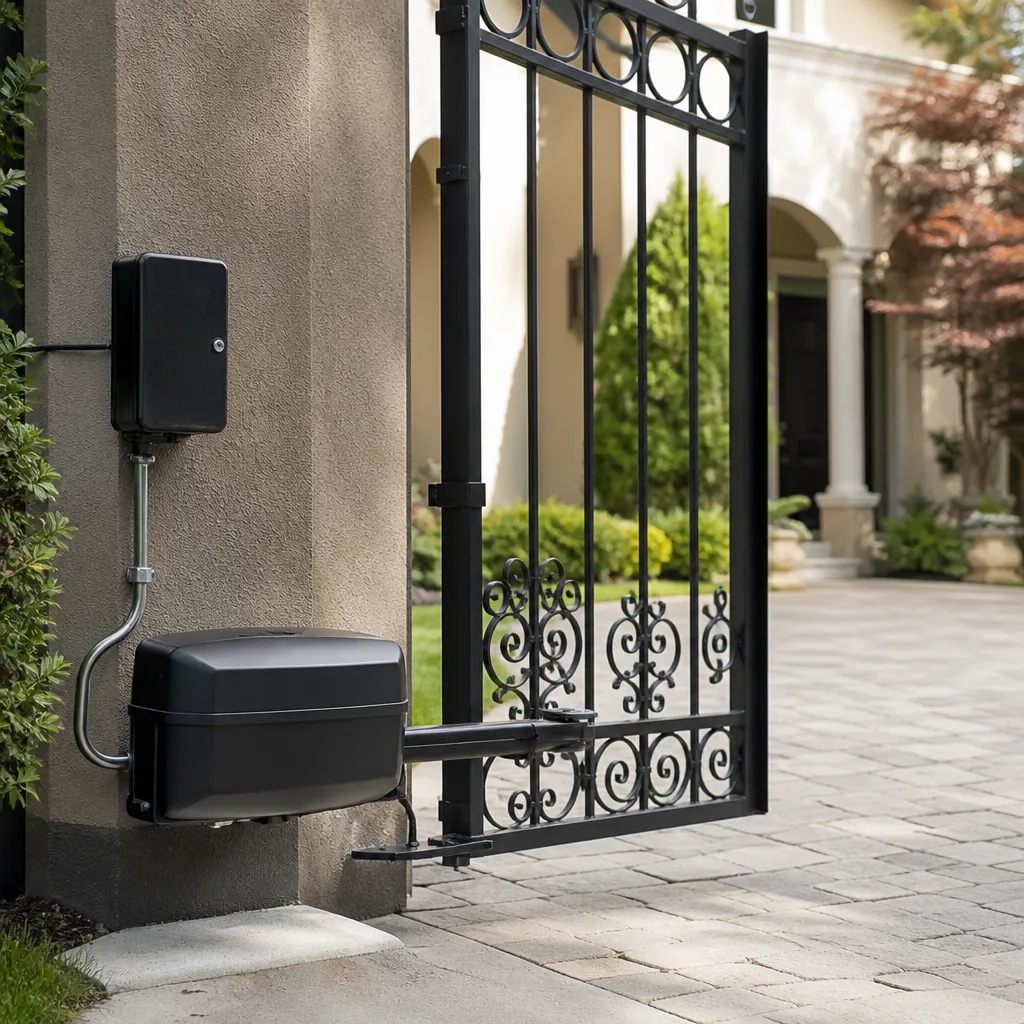 LiftMaster operators
Free on-site gate assessment - hinges, posts, and your LiftMaster or Nice gate operator checked before anything is quoted
The assessment is free and the quote is the invoice.
Get your free estimateGate Repair Troubleshooting: Common Problems and How to Fix Them
Replacing a gate motor because the gate won’t open is like replacing a car battery because the engine overheats. The symptom and the cause aren’t the same thing. Most DIY troubleshooting guides skip the diagnostic step and jump straight to parts, which is why the same gates come back for the same problems. This guide teaches diagnostic logic, not just symptom matching. We’re writing this from Hesperia, where we see a specific pattern of gate failures tied to desert conditions that most national guides never mention. By the time you finish reading, you’ll know how to isolate the real fault before spending a dollar on parts.
Styles & brands we work with
- Wrought iron
- Wood & steel frame
- Farm & ranch
- Sliding driveway gates
- LiftMaster operators
Quick Answer
Gate repair troubleshooting starts with one question: is the problem mechanical, electrical, or operator error? Most gate failures in Hesperia are mechanical first, electrical second, and user-related third, but the order matters because fixing the wrong category wastes time and money. A systematic isolation process that checks hinge wear, track alignment, and power delivery before touching the motor or control board solves most gate problems in under an hour.
Table of Contents
- The Three-Category Fault Isolation Framework
- The Three Mechanical Checks to Run Before Touching the Electrical System
- How to Read Gate Operator Error Codes (LiftMaster, Linear, Viking)
- Why Intermittent Gate Failures Are Almost Never Random
- Symptom-by-Symptom Gate Repair Guide
- Which Tools You Need for Diagnosis vs. Which Diagnoses Require Professional Equipment
- Hesperia-Specific Gate Failure Patterns: What the Desert Does to Gate Hardware
- Preventive Gate Maintenance That Prevents Most Repairs
- Common Mistakes to Avoid
- When to Call a Professional
- Frequently Asked Questions
- The Bottom Line
The Three-Category Fault Isolation Framework
Every automatic gate has three systems working together: the mechanical hardware that physically moves, the electrical system that powers and controls movement, and the operator input devices that tell the gate what to do. When a gate fails, the symptom you see rarely tells you which system is at fault. A gate that won’t open could be a dead battery in the remote (operator error), a blown fuse on the control board (electrical), or a seized hinge putting so much resistance on the motor that the safety circuit trips (mechanical). The fix for each is different, and guessing costs money.
The framework works like this:
- Eliminate operator error first. Check the remote battery, verify the keypad code, test the manual override, and confirm the gate isn’t in “hold open” or “lock” mode. This takes five minutes and costs nothing.
- Check the mechanical system second. Disengage the operator and move the gate by hand. If it drags, binds, scrapes, or won’t move smoothly, the problem is mechanical and no electrical repair will fix it. Most gate failures fall here.
- Investigate the electrical system last. Only after the gate moves freely by hand should you look at motors, sensors, wiring, and control boards. This order prevents replacing a $400 control board when the real problem is a $12 hinge bearing.
This sequence matters because it mirrors how professional gate technicians work. We’ve seen too many Hesperia homeowners replace motors and control boards only to discover the gate still won’t move because a rusted hinge was tripping the obstruction sensor. The gate wasn’t failing electrically. It was failing mechanically and the electronics were doing their job by refusing to operate.
The Three Mechanical Checks to Run Before Touching the Electrical System
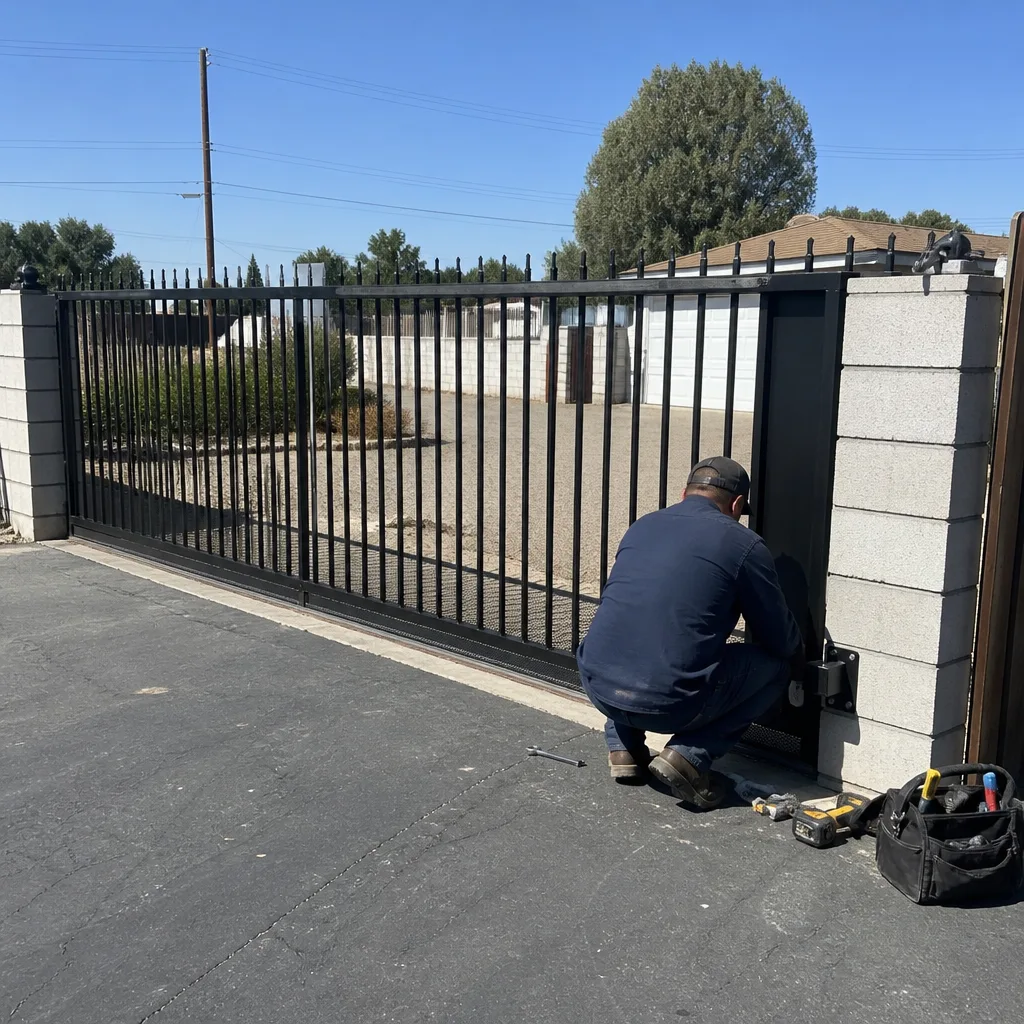
Mechanical problems account for roughly 60% of our Gate Repair services calls we see in Hesperia, and they’re the most commonly misdiagnosed. The good news is they’re also the easiest to verify. Here are the three checks that isolate mechanical faults from electrical ones:
Check 1: The Hand-Swing Test
Disengage the gate operator using the manual release handle (usually a red or yellow lever on the operator arm or a keyed release on the motor housing). Then push the gate through its full travel path by hand. A properly functioning gate should glide with consistent, light resistance. What you’re feeling for:
- Changing resistance as the gate moves points to a bent hinge, worn bearing, or track misalignment.
- A gate that sags visibly at the free end means hinge bushings or the post itself has shifted. This is the single most common mechanical issue on Hesperia’s residential swing gates because decomposed granite soil expands and contracts with seasonal moisture.
- Scraping or grinding sounds indicate metal-on-metal contact somewhere in the travel path, usually at the latch post or along the bottom track on a slide gate.
Check 2: The Hinge Inspection
Grab the gate leaf at the free end and lift upward. If it moves more than a quarter inch at the hinge axis, the hinge bushings are worn. On heavier gates, check for vertical cracks in the weld joints where hinges attach to the gate frame. Hesperia’s temperature swings, from freezing desert nights in winter to 110-degree summer days, cause metal to expand and contract relentlessly. Hinge welds crack from this thermal cycling.
Check 3: The Track and Wheel Check
For slide gates, run your hand along the top of the track and look for flat spots on the wheels. A wheel with a flat spot creates a “thump-thump-thump” as the gate moves and causes the motor to draw higher current, which trips thermal overload protection. This is why some Hesperia slide gates work fine in the morning but stop by afternoon: rising temperatures add thermal stress to a motor already working harder than it should.
If all three checks pass, the mechanical system is sound and you can move to electrical diagnosis with confidence. If any check fails, fix the mechanical issue before applying power to the operator.
How to Read Gate Operator Error Codes (LiftMaster, Linear, Viking)
Modern gate operators use diagnostic LEDs and numeric displays to communicate faults. Reading these codes correctly saves hours of guesswork, but each brand uses its own system. Here’s how to interpret the three most common operator brands we service in Hesperia:
LiftMaster Diagnostic Codes
LiftMaster residential operators like the LA400 and LA500 series use a series of beeps and flashing LEDs to signal faults. The most common codes:
- Single flash, repeating: Obstruction detected. Check the safety sensor photo eyes for alignment or debris.
- Double flash, repeating: Force limit exceeded. Something mechanical is binding and the operator is working harder than its threshold. Run the mechanical checks above before replacing anything.
- Continuous LED, no response: Control board locked in thermal protection. Let it cool for 15 minutes, but understand this will keep happening if the underlying binding issue isn’t fixed.
Linear Operator Codes
Linear operators use a simpler diagnostic system. The most common failure indicator is a rapid flashing alarm light with no gate movement, which almost always means the gate hit an obstruction or the force adjustment is set too low. Linear control boards also have a diagnostic LED that blinks in sequences. If the LED is blinking but the gate doesn’t respond, you’re looking at an external device fault (photo eye, edge sensor, or loop detector) rather than an internal board failure.
Viking Commercial Operators
Viking operators display alphanumeric error codes on the control board display. Common codes include:
- Err 2: Current overload. The motor is drawing more amperage than the board allows, which points to mechanical binding or a failing motor capacitor.
- Err 7: Photo eye obstruction or wiring fault. Check the sensor alignment and the wiring connection at the board.
- Err 9: Loop detector fault. The ground loop that detects vehicles is either damaged or the detector module has failed.
These brands represent what we work on most in Hesperia, and the pattern is consistent: error codes point toward a system, not a specific part. A “force limit exceeded” code on a LiftMaster doesn’t mean the motor is bad. It means the motor is working against something. In our experience, the code is right about the system and wrong about the cause about half the time, which is why mechanical elimination always comes first.
Why Intermittent Gate Failures Are Almost Never Random
“It works sometimes and doesn’t work other times” is the most frustrating gate symptom to diagnose, but intermittent failures follow patterns. The pattern reveals the root cause. Here are the patterns we see in Hesperia and what they mean:
Pattern 1: Fails in the Morning, Works by Midday
Cold contraction is the culprit. Wiring connections tighten and loosen with temperature changes, and a marginal connection that works at noon loses contact overnight. This is especially common on gates with sun-exposed junction boxes in the Victor Valley, where overnight lows in winter drop below freezing while daytime temps climb 35 to 40 degrees higher.
Pattern 2: Works in the Morning, Fails by Afternoon
Thermal expansion or thermal overload. The motor overheats as the day heats up, or metal parts expand and bind against each other. A gate that works perfectly at 8 a.m. and seizes at 3 p.m. is telling you it has a clearance issue or a cooling problem, not an electrical gremlin.
Pattern 3: Fails Only After Rain
Water intrusion in a junction box, photo eye housing, or edge sensor. Rain in Hesperia is infrequent but often heavy when it arrives, and our fast-draining soil means water runs off quickly but penetrates low-mounted enclosures first. If your gate fails within 24 hours of rain and then recovers, look for water entry points on every low-mounted enclosure.
Pattern 4: Fails When It’s Windy
This is almost always a photo eye alignment issue on swing gates. Wind moves the gate leaf slightly off its closed position, the photo eye beam breaks, and the gate refuses to operate because it thinks an obstruction is present. Heavy gates with loose hinge bushings are particularly susceptible. The fix is hinge tightening, not sensor replacement.
Intermittent failures almost never resolve themselves permanently. They get worse as the underlying mechanical issue progresses, and the damage compounds over time. The gate that only fails on cold mornings eventually stops working entirely, usually at the worst possible time.
Symptom-by-Symptom Gate Repair Guide
Here’s the direct mapping of what you’re seeing to what’s actually happening, based on the fault isolation framework and the patterns above:
Symptom: Gate Slams When Closing
The gate is underbraked or the hydraulic closer is failing. On swing gates with piston-style closers, low hydraulic fluid or worn seals allow the gate to close faster than intended. On slide gates, this points to a worn or missing end stop. The risk is more than noise: a gate that slams damages its own hinges, latch hardware, and motor mounts over time.
Symptom: Gate Reverses Before Fully Closing
The safety sensor system is detecting a false obstruction. Either the photo eyes are misaligned, an edge sensor has developed a short, or the force setting on the operator is too sensitive. This is the most common electrical false positive we see, and it usually responds to sensor realignment rather than operator adjustment.
Symptom: Gate Motor Hums but Gate Doesn’t Move
If the motor makes noise but the gate stays put, the operator is either disengaged from the gate (check the manual release), the drive gear is stripped, or the motor capacitor has failed. A failed capacitor is the single most common “motor replacement” misdiagnosis: the motor is fine, but the capacitor that starts it spinning has died. Capacitors cost about $30. Motors cost $400 to $1,200. The distinction matters.
Symptom: Gate Opens a Few Inches and Stops
The obstruction detection circuit is triggering. Run the mechanical checks first (hand-swing test, hinge inspection, track check). If the gate moves freely by hand, then check the photo eye alignment and the force adjustment on the operator. Nine times out of ten this symptom is mechanical binding being correctly detected by a functioning safety system.
Symptom: Remote Control Range Getting Shorter
Diminishing remote range is almost always an antenna position issue, a failing remote battery, or interference from new electronics. On operators with external antenna wires, make sure the antenna is intact and not lying against metal. If range dropped suddenly after installing a new device near the gate or in the house, that device may be broadcasting on a conflicting frequency.
Which Tools You Need for Diagnosis vs. Which Diagnoses Require Professional Equipment
Most gate diagnosis can be done with basic tools. Here’s the realistic list of what a homeowner needs versus what a professional brings:
What You Need (Under $100, Most People Already Own)
- Multimeter: $25-$60. Measures voltage, continuity, and resistance. This is the single most important diagnostic tool for electrical work. A gate that has power to the operator but won’t respond is often a wiring continuity issue detectable in five minutes with a multimeter.
- Socket and wrench set: For tightening hinge bolts, removing operator covers, and adjusting track hardware.
- Level: A gate that’s out of level by a few degrees creates cascading wear on every other component.
- Spray lubricant: Silicone-based, not petroleum-based. Hesperia’s dust clings to petroleum products and turns them into grinding paste.
- Remote replacement batteries: Eliminate this variable first in any remote control issue.
What Professionals Bring (That You Probably Don’t Have)
- Loop detector testers: Verify the underground vehicle detection loops are functioning. These loops are buried in the driveway and fail from ground movement or moisture intrusion, and they can’t be diagnosed without a specialized tester.
- Force gauge: Measures the exact pounds of force a gate operator is exerting. Safety compliance in California requires specific force limits, and a compliance check needs calibrated equipment.
- Amp clamp meters: Measure current draw on the motor while it’s running, revealing failing windings before they burn out completely.
- Receiver sensitivity testers: Confirm whether a remote control range problem is the remote, the receiver, or antenna placement.
- Oscilloscope or protocol analyzer (for some access control): Diagnoses communication failures between the gate operator and access control systems like card readers, phone entry systems, and keypads.
The line between DIY and professional diagnosis is where safety and liability begin. Under California law, gate operators must comply with UL 325 safety standards, and adjusting force settings or bypassing safety devices creates a real hazard. If your diagnosis leads you to a force adjustment, sensor bypass, or control board replacement, that’s the point to call a specialist. Electric and automated gate repair is exactly what we do at Electric Gate Repair in Hesperia, and getting the force settings right matters for the safety of your family, your employees, and anyone who uses your gate.
Hesperia-Specific Gate Failure Patterns: What the Desert Does to Gate Hardware
National troubleshooting guides miss the environmental variables that cause specific failures in specific places. Hesperia’s high desert climate creates failure patterns that a coastal California guide would never anticipate. Here’s what we see on gates in Hesperia that most national content ignores:
Wind-Driven Dust Contamination
Hesperia’s seasonal winds, particularly in spring and fall, drive fine dust into every opening on a gate system. Dust accumulates inside operator housings, coats control board contacts, and eventually causes resistance across connections that should be clean. This creates the intermittent failure patterns described earlier: everything works until a dust layer combined with moisture creates a partial short. The fix is preventive: regular cleaning of operator interiors and keeping junction box gaskets in good condition. We open operator housings in Hesperia and routinely find a quarter inch of fine dust that homeowners in coastal climates never see.
Soil Movement and Post Shifting
The Victor Valley’s soil expands when wet and contracts when dry, with dramatic shifts during our rare but intense rain events. Gate posts set in this soil move over time, and a post that’s shifted half an inch changes the geometry of the entire gate leaf. A gate that latches cleanly one year starts missing the latch the next because the post moved, not because the gate or latch failed.
UV Degradation on Plastic Components
Hesperia averages over 280 sunny days per year with intense UV exposure at our 3,200-foot elevation. Plastic components, especially photo eye housings, edge sensor sleeves, and remote control casings, degrade and become brittle. A photo eye housing that cracks allows dust and moisture in, creating false obstruction signals.
Thermal Cycling on Welds and Electronics
Our 40-degree diurnal temperature swings in some seasons create repeated thermal expansion and contraction. Every component on a Hesperia gate experiences this cycle hundreds of times per year. Weld joints crack. Screw terminals loosen. Solder joints fail. This is the environmental reality that makes regular inspection more important here than almost anywhere else in California.
These are the environmental conditions we design around when Gate Installation in Hesperia projects start, and they explain why some gate systems fail here faster than the same system would fail in a milder climate.
Preventive Gate Maintenance That Prevents Most Repairs
The best gate repair is the one you never need. Here’s the maintenance routine that addresses the failure patterns above and extends gate life in Hesperia’s climate:
Quarterly: The 15-Minute Check
- Run the hand-swing test. Disengage the operator and move the gate manually through its full travel. Any change in resistance since last quarter indicates developing mechanical wear.
- Visually inspect hinges, wheels, and track. Look for cracking welds, loose bolts, and flat spots on slide gate wheels.
- Test the photo eyes. Block the beam with your hand and verify the gate reverses or refuses to close. This is a safety function, not an inconvenience.
- Check the operator housing for dust accumulation. In Hesperia, quarterly cleaning of the operator interior prevents most electrical issues.
Twice a Year: Seasonal Adjustments
- Spring: After winter freezes, check all bolt torque and hinge play. Tighten anything that’s loosened. Clean winter dust accumulations from the operator interior.
- Fall: Before winter temperatures drop, check wiring connections at the control board and re-tighten terminal screws. Cold weather contracts metal and exposes loose connections that warm weather masks.
Annual: Professional Inspection
An annual professional inspection catches the things quarterly checks miss: force compliance, loop detector function, capacitor condition, and the internal wear on the operator’s drive mechanism. For guidance on selecting qualified help, see How to Hire a Gate Repair Contractor in Hesperia: A Step-by-Step Guide. A professional inspection costs far less than the emergency repair that follows when a gate fails at 6 a.m. on a workday.
This maintenance routine applies to every gate type: swing gates, slide gates, and barrier arms alike. The specific failure modes vary by type, but the environmental stresses in Hesperia are constant across all of them.
Common Mistakes to Avoid
- Replacing the motor when the capacitor failed. A dead capacitor produces identical symptoms to a dead motor, but the fix costs about 5% as much. Test the capacitor before ordering a motor.
- Adjusting the force setting to “fix” a binding gate. Increasing force to overcome mechanical resistance masks the problem while the mechanical wear accelerates. The gate works until the part fails catastrophically, usually injuring the operator or damaging the gate frame.
- Bypassing safety sensors because they’re “annoying.” Photo eyes and edge sensors exist because automatic gates have injured and killed people. Disabling them is illegal in California and creates a devastating liability.
- Using petroleum-based lubricants. In Hesperia’s dust, petroleum lubricants become abrasive paste within weeks. Silicone-based lubricants are the correct choice.
- Ignoring intermittent failures until they become permanent. An intermittent gate failure is a warning. The underlying issue is progressing, and the failure will eventually be total. The repair is cheaper before that happens.
- Mixing brands of safety accessories. Photo eyes, edge sensors, and loop detectors from different manufacturers often have incompatible communication protocols. The operator’s own brand or explicitly compatible third-party accessories are the only safe choices.
- Welding gate repairs without disconnecting the operator. Welding current passes through the gate frame and into the operator’s control board, destroying electronics. Always disconnect power and isolate the board before any welding.
When to Call a Professional
Some gate repairs are genuinely DIY-friendly: remote batteries, hinge lubrication, photo eye realignment, basic bolt tightening. But the line where DIY becomes dangerous or expensive is clear. Call a specialist when you’re facing control board failures, force adjustment issues, capacitor replacement, loop detector faults, or any situation where a wrong diagnosis means ordering parts that don’t solve the problem. Gate-specific technicians diagnose these issues every day, and a specialist avoids the $800 mistake of replacing a motor when a $30 capacitor was the actual fault. Our team at Gate Repair Hesperia home works exclusively on gate systems, which means we diagnose faster and repair accurately the first time. Gate Repair Hesperia offers free estimates in Hesperia. Call (877) 693-9694.
Frequently Asked Questions
Gate repair in Hesperia typically costs between $125 and $450 for most common issues, with major electrical repairs like control board replacement running $500 to $1,200. Mechanical repairs like hinge replacement and track adjustment fall on the lower end, while operator or motor replacement lands higher. Call (877) 693-9694 for an exact quote on your specific gate system and issue, estimates are free. For more guides & resources on gate maintenance and repair, explore our blog.
Yes, most common gate failures can be diagnosed and repaired in a single visit. The majority of mechanical issues and many electrical problems, like capacitor failures and photo eye realignment, are resolved on the first service call. Call (877) 693-9694 to schedule service and get your gate back up and running.
Water intrusion into a junction box, photo eye housing, or edge sensor connector is the usual cause. Hesperia’s heavy but infrequent rain penetrates low-mounted enclosures quickly, and the gate recovers only after everything dries out. Sealing entry points and replacing cracked housings prevents the pattern from repeating.
We service LiftMaster, FAAC, BFT, and Linear operators, along with the full range of residential and commercial brands installed in the Hesperia area. Our technicians are trained and experienced across nine major gate brands, so we service your brand whether it’s a homeowner-grade system or a heavy-duty commercial operator.
Grinding indicates metal-on-metal contact somewhere in the gate’s travel path. It’s usually a worn hinge bushing, a wheel with a failing bearing, or a misaligned track on a slide gate. The specific fix depends on the source, but the hand-swing test narrows it down quickly, and addressing the grinding promptly prevents the motor from working against increasing resistance.
We handle both. Gate Repair in Hesperia covers diagnosis, parts replacement, and system repairs, and when a gate is beyond repair, our installation service handles the full replacement. You don’t need to call a second company when a gate can’t be fixed, because full service scope means one call covers everything.
The Bottom Line
Gate troubleshooting that works follows a sequence: mechanical first, electrical second, operator error last. The symptom you see is the gate’s way of telling you something is wrong, but it rarely tells you what. Reading error codes, testing mechanical movement by hand, and understanding the patterns behind intermittent failures saves you from replacing parts that didn’t need replacing. In Hesperia, the environment adds its own layer: dust, UV, thermal cycling, and shifting soil create failures that national guides miss. Maintaining your gate on a quarterly schedule prevents most problems before they start. And when the problem exceeds what basic tools can diagnose, a gate-specific technician sees the pattern in minutes rather than hours because gates are all we work on. Written by the team at Gate Repair Hesperia, serving Hesperia since 2013.
See the difference
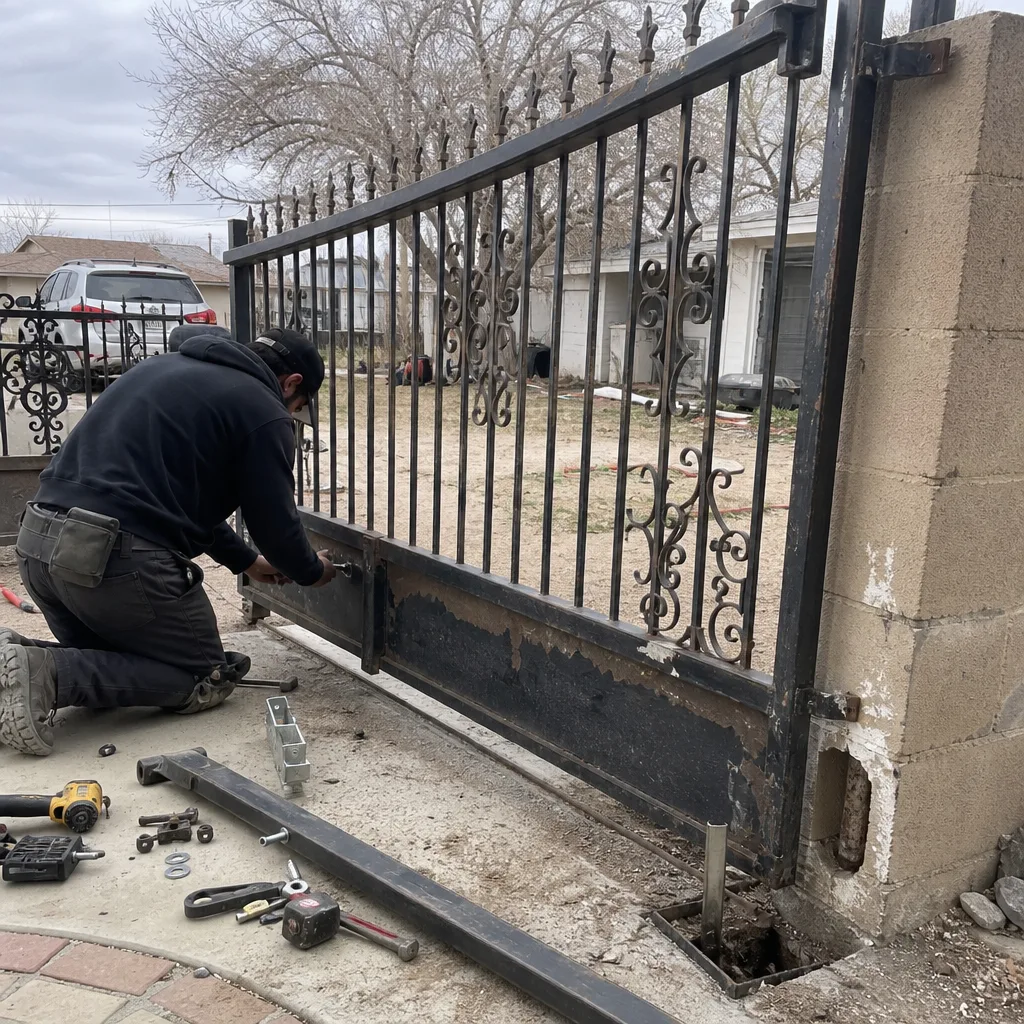 Before
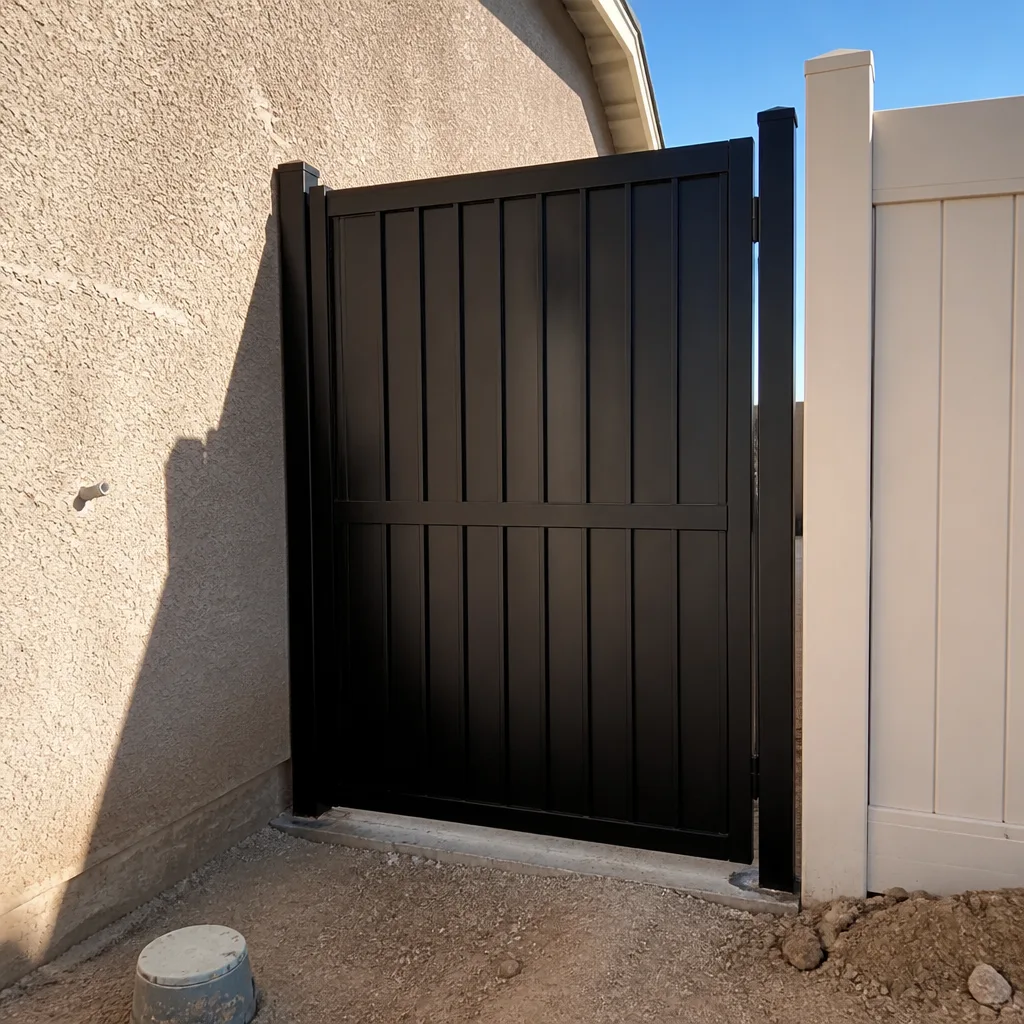 After
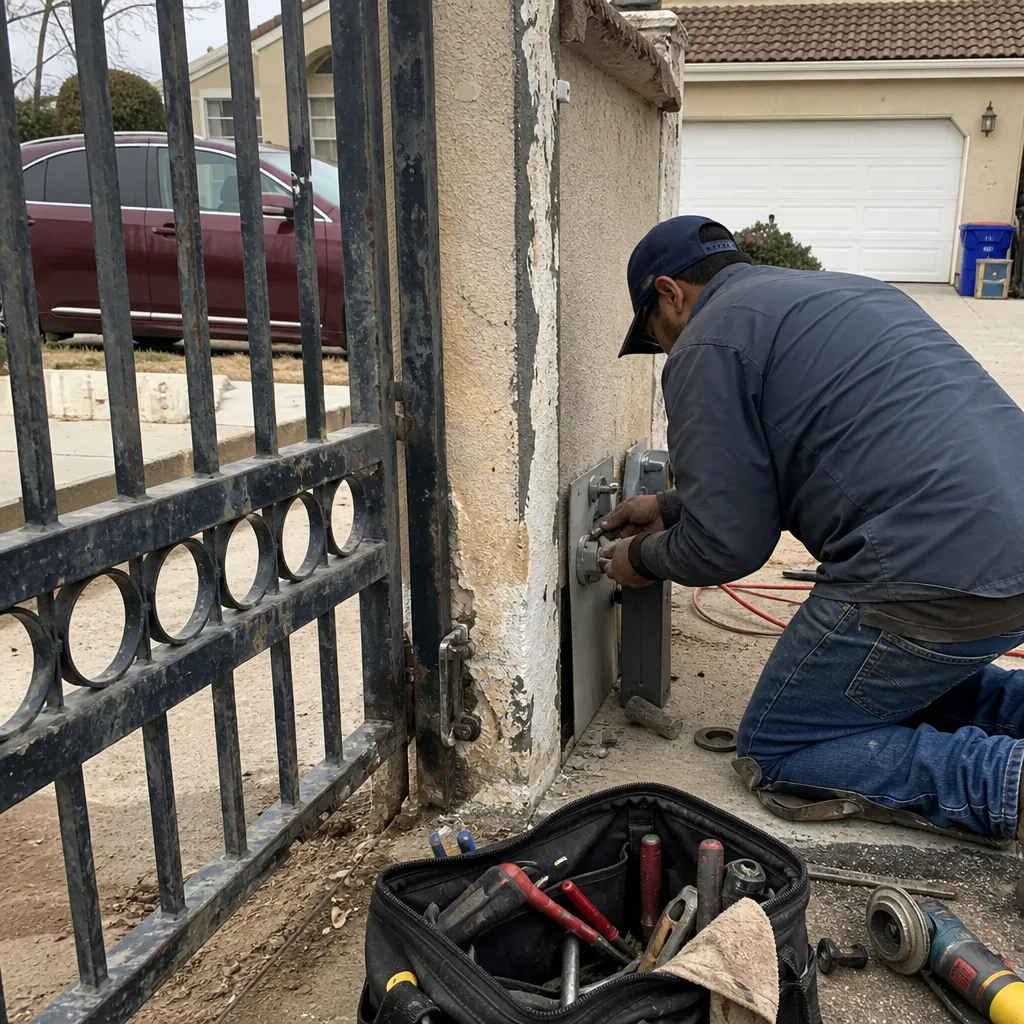 Before
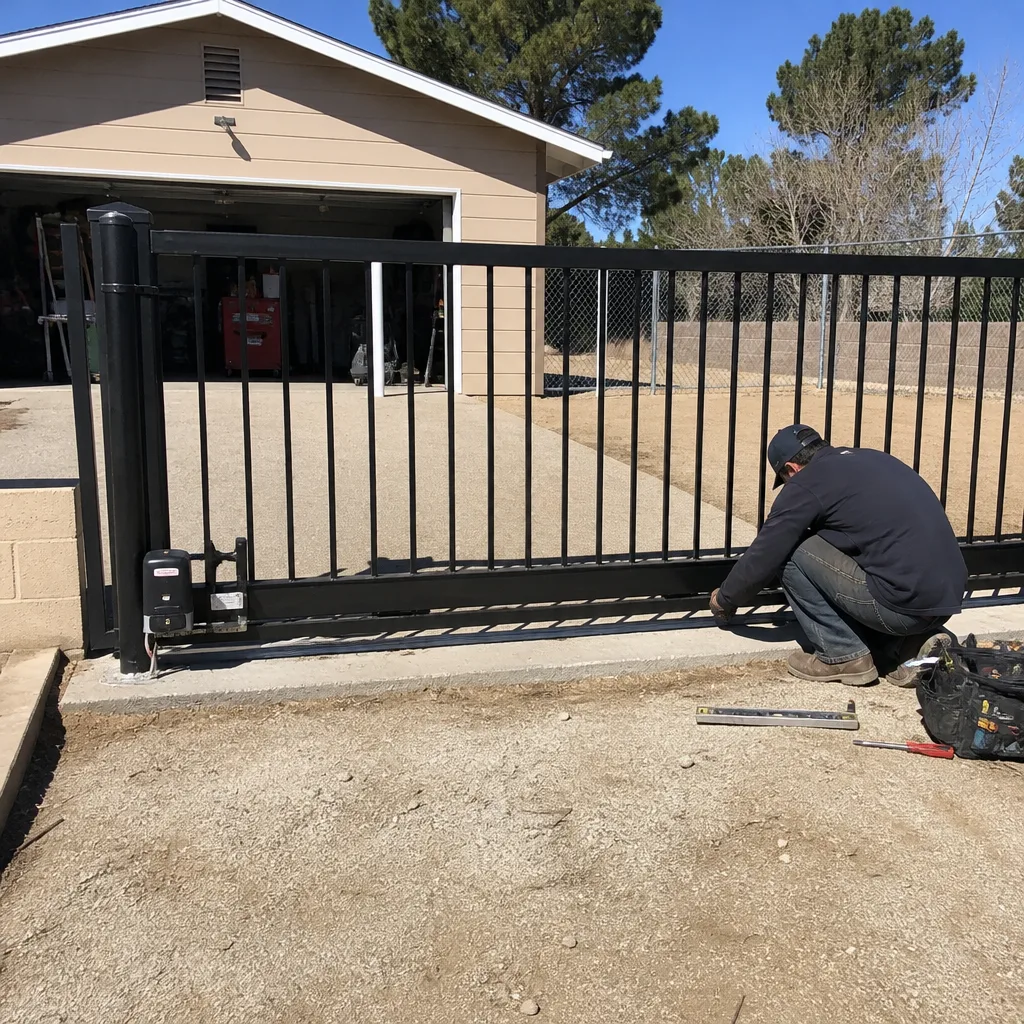 After
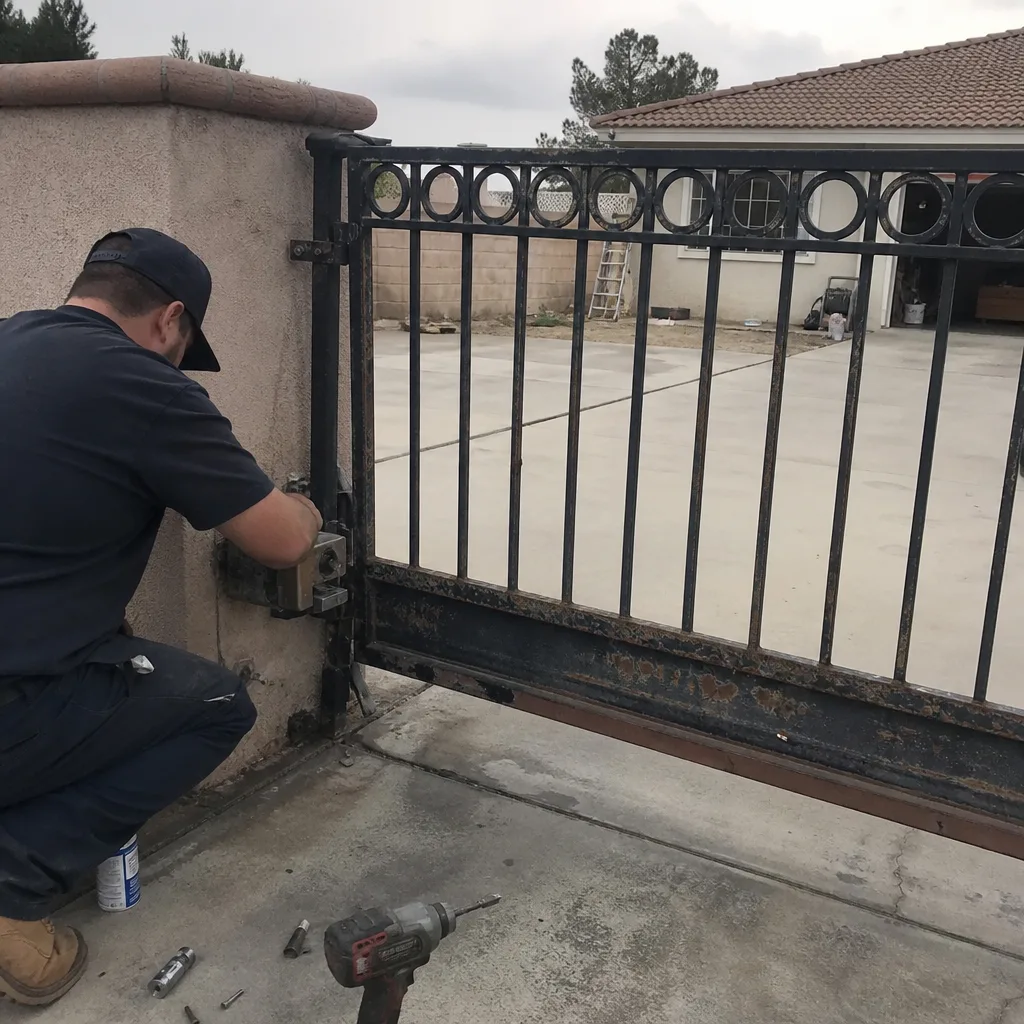 Before
 After